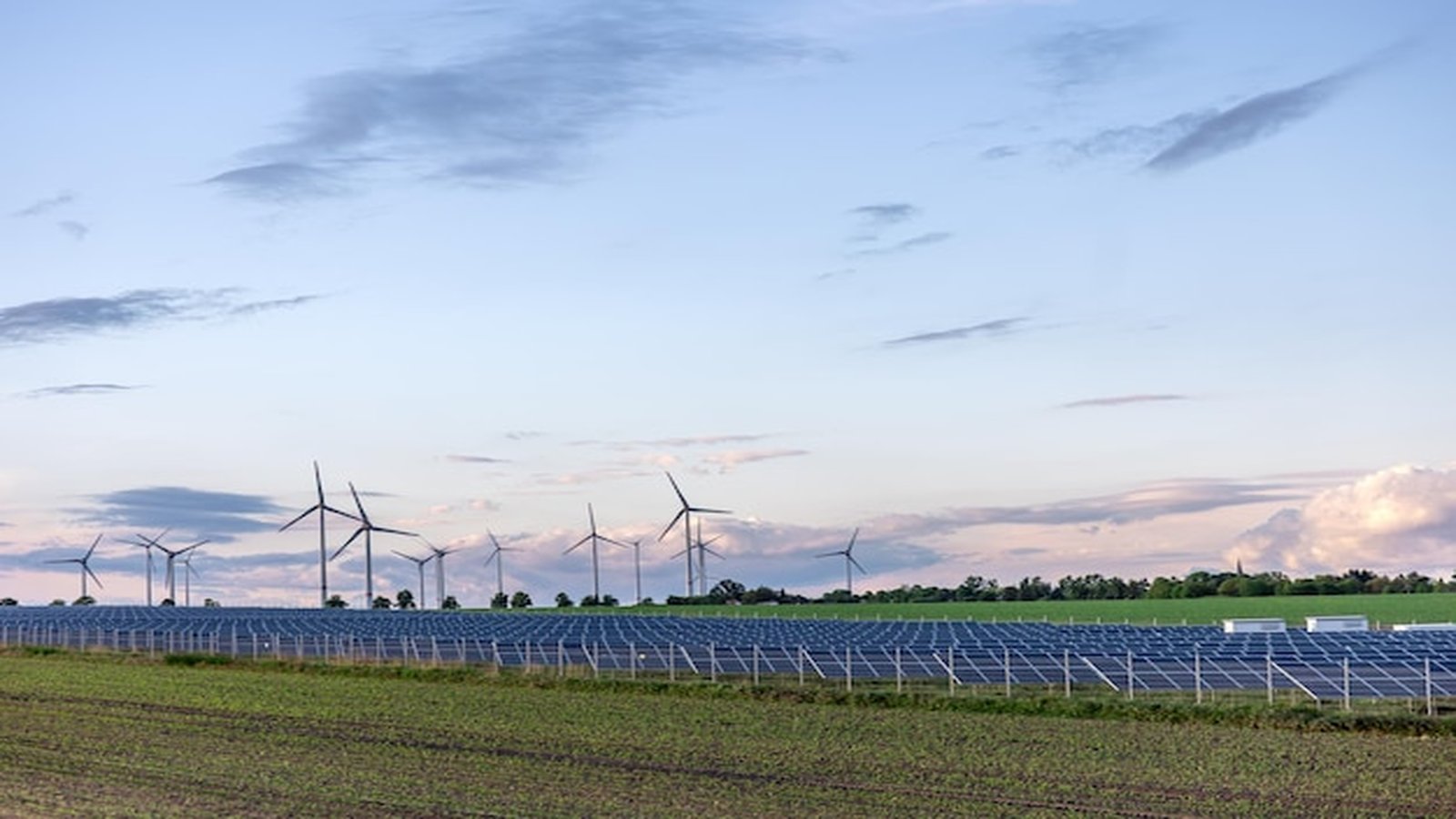
Green ammonia pathways: using wind and solar to create low-emission potassium-nitrate fertilizers
Green ammonia produced from renewable electricity is reshaping potassium nitrate manufacturing, offering a credible route to fertilizers with 80% lower carbon intensity.
The carbon problem in KNO₃ manufacturing
Potassium nitrate production depends on nitric acid, which depends on ammonia. And ammonia is one of the most carbon-intensive chemicals on Earth. Conventional Haber-Bosch ammonia synthesis consumes roughly 1% of global energy and accounts for about 1.8% of worldwide CO₂ emissions. Every tonne of conventional KNO₃ carries that embedded carbon burden.
Green ammonia changes the equation. By using renewable electricity to produce hydrogen via electrolysis, then combining it with atmospheric nitrogen in a modified Haber-Bosch reactor, producers can manufacture ammonia with up to 90% lower greenhouse gas emissions. That green ammonia feeds into nitric acid production, which in turn reacts with potash to form potassium nitrate with a dramatically smaller carbon footprint.
This article traces the green ammonia pathway from renewable energy to finished KNO₃, examines the projects already running, and lays out what the shift means for fertilizer buyers and growers.
How the green ammonia pathway works
The process chain has four main stages:
- Renewable electricity generation: Wind farms, solar arrays or hydropower provide the energy input
- Water electrolysis: Electricity splits water into hydrogen and oxygen. Proton-exchange membrane (PEM) and alkaline electrolyzers are both in commercial use
- Green ammonia synthesis: Hydrogen reacts with nitrogen from an air-separation unit in a Haber-Bosch reactor running at lower pressure than conventional plants
- Nitric acid and KNO₃ production: Green ammonia is oxidized to nitric acid, which reacts with potassium chloride or potassium hydroxide to produce potassium nitrate
The potash input still comes from conventional mining, but since potash extraction is far less carbon-intensive than ammonia synthesis, the overall carbon reduction for the finished KNO₃ product is substantial: typically 70-80% lower than fully conventional production.
Projects already operating or under construction
Yara Porsgrunn, Norway
Yara's pilot electrolyzer at its Porsgrunn fertilizer complex has been producing green ammonia since late 2024, powered by Norwegian hydroelectricity. The initial 24 MW electrolyzer produces enough green ammonia to supply a fraction of the plant's nitric acid capacity, but a planned 450 MW expansion would make Porsgrunn the world's first large-scale green fertilizer facility.
NEOM Green Hydrogen, Saudi Arabia
The NEOM project in northwestern Saudi Arabia, a joint venture between ACWA Power, Air Products and NEOM, targets 1.2 million tonnes per year of green ammonia from 4 GW of wind and solar capacity. While the primary offtake is for export as shipping fuel, a portion is earmarked for downstream fertilizer production including nitrate-based products.
Fertiberia, Spain
Fertiberia's green ammonia plant in Puertollano, Castilla-La Mancha, uses a 20 MW solar-powered electrolyzer to produce green hydrogen for ammonia synthesis. The plant has been operational since 2022 and supplies feedstock for the company's fertilizer production, including KNO₃ grades sold in the Spanish horticultural market.
What it means for KNO₃ buyers
Green KNO₃ is not yet widely available as a distinct product line, but that is changing. Several trends are converging:
- Carbon labeling: The EU Carbon Border Adjustment Mechanism (CBAM) is creating price signals that favor low-emission fertilizers. Buyers importing KNO₃ into the EU will increasingly pay a carbon surcharge on conventional product
- Scope 3 reporting: Food companies tracking their supply chain emissions are asking growers to document fertilizer carbon footprints, creating downstream pull for green alternatives
- Premium pricing: Early green KNO₃ products carry a 15-30% premium, but the gap is expected to narrow as electrolyzer costs fall and renewable electricity prices continue their long-term decline
For growers already using KNO₃ for its agronomic advantages, particularly its chloride-free potassium and nitrate-form nitrogen, the green versions deliver identical field performance with added sustainability credentials.
Cost trajectory
The economics of green ammonia depend primarily on the cost of renewable electricity and electrolyzer capital:
| Factor | 2024 Status | 2028 Projection |
|---|---|---|
| Electrolyzer cost | $800-1,200/kW | $400-600/kW |
| Green H₂ cost | $4-6/kg | $2-3/kg |
| Green NH₃ cost | $600-900/t | $350-500/t |
| Green KNO₃ premium | 15-30% | 5-15% |
At projected 2028 electrolyzer and electricity costs, green KNO₃ reaches near-parity with conventional product in regions with abundant wind or solar resources.
Challenges and limitations
The pathway is promising but not without hurdles:
- Intermittency: Electrolyzers need to handle variable renewable electricity output. Flexible operation is technically feasible but adds complexity compared to steady-state conventional plants
- Scale: Current green ammonia projects produce thousands of tonnes, while global ammonia demand exceeds 180 million tonnes. Scaling will take a decade or more
- Potash supply: Green ammonia addresses the nitrogen side of KNO₃ manufacturing. Potash still needs conventional mining, though the carbon intensity of potash extraction is relatively low
- Certification: A credible mass-balance or book-and-claim system is needed so buyers can trust that the green premium they pay corresponds to real emission reductions
For a broader view of KNO₃ production processes and how they affect product specifications, see our production page. To understand the global market drivers pushing the industry toward greener production, visit our market growth drivers page.
The bottom line for growers
Green ammonia is not a future concept; it is a current reality at pilot and early commercial scale. Potassium nitrate produced through this pathway performs identically in the field. The question for growers is whether the sustainability credential justifies the current price premium or whether it makes sense to wait for costs to converge.
For operations selling into supply chains with explicit carbon-reduction targets, such as European fresh produce or major food-brand programs, sourcing green KNO₃ now may deliver value beyond the agronomic benefits.
FAQ
Does green KNO₃ have a different nutrient analysis? No. The chemical product is identical: 13-0-46 for standard potassium nitrate. Only the ammonia feedstock production method differs.
How can I verify that KNO₃ is genuinely green? Look for third-party certification such as ISCC PLUS or a verified carbon footprint declaration. Ask the supplier for the specific ammonia source and electrolyzer documentation.
Will green KNO₃ be available in my region? Availability is currently strongest in Europe and the Middle East. Expect broader distribution from 2027 as production capacity scales up.
Last updated: April 5, 2026
Related articles
Emerging ammonium-nitrate feedstocks: the fastest-growing raw material for potassium-nitrate fertilizers
New ammonia and nitric acid feedstock sources, from green hydrogen to captured CO₂ to waste-derived nitrogen, are reshaping the cost and sustainability profile of potassium nitrate production.
Read morePotassium chloride vs. potassium nitrate: raw-material trends and cost drivers in 2026
A practical comparison of KCl and KNO₃ as potassium sources, covering production costs, supply dynamics, agronomic trade-offs and the raw-material trends shaping pricing in 2026.
Read moreHaifa's FertiMatch system: AI-powered guidance for optimal potassium-nitrate application
Haifa Group's FertiMatch platform uses crop models and AI to generate tailored KNO₃ fertigation programs, showing strong results in commercial greenhouse and orchard operations.
Read more