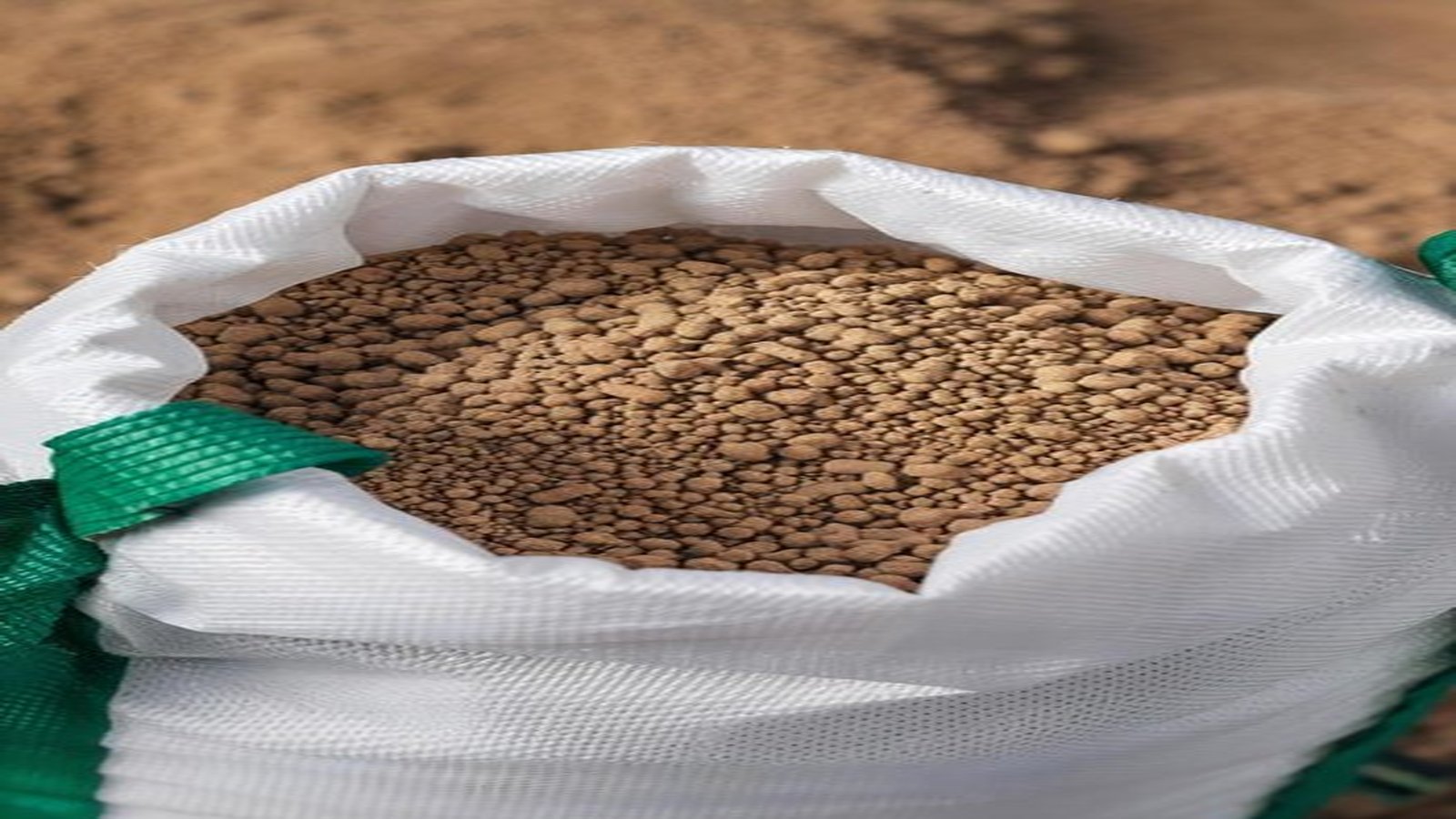
Micronutrient-enriched KNO₃ formulations and coated granules to fight hidden hunger in 2026
New KNO₃ formulations enriched with zinc, boron and other micronutrients are addressing hidden hunger in crops, improving both yield and nutritional quality in a single application.
The hidden hunger problem in modern cropping systems
Micronutrient deficiency in crops is far more common than most growers realize. Zinc, boron, iron and manganese shortfalls rarely cause dramatic visible symptoms in the field, but they quietly cap yields, weaken disease resistance and reduce the nutritional quality of harvested produce. The FAO estimates that micronutrient-related yield losses affect over 50% of the world's agricultural soils.
The challenge has always been delivery. Broadcasting micronutrients separately adds an application pass, increases cost and often delivers poor uniformity. Foliar sprays work but are limited to small quantities per pass. That is why micronutrient-enriched KNO₃ formulations are gaining traction: they combine the macro potassium and nitrogen delivery that growers already depend on with precisely dosed micronutrients in a single product.
How enriched KNO₃ products are made
There are two main manufacturing approaches:
Co-crystallization
Micronutrient salts (typically zinc sulphate, sodium borate or chelated iron) are dissolved in the KNO₃ crystallization liquor so that the micronutrient becomes physically incorporated into the crystal structure. This produces a truly homogeneous product where every granule contains the same ratio of macro and micro nutrients.
The advantage is uniformity. The limitation is that only certain micronutrients dissolve cleanly in the KNO₃ crystallization process without affecting crystal quality.
Coating and impregnation
Standard KNO₃ granules are coated with a micronutrient-containing layer, often applied as a liquid spray in a drum coater and then sealed with a thin polymer or oil film. This approach is more flexible because it can apply virtually any micronutrient combination, but uniformity depends on the quality of the coating process.
Several manufacturers now offer "precision-coated" KNO₃ with individually verified micronutrient loading per granule using inline near-infrared analysis during production.
Which micronutrients pair best with KNO₃
Zinc
Zinc deficiency affects rice, maize, wheat, citrus and many vegetable crops globally. It reduces enzyme activity, impairs photosynthesis and lowers grain protein content. ZnSO₄-enriched KNO₃ products typically deliver 1-3% Zn by weight, enough to address mild to moderate soil deficiency when applied at standard KNO₃ rates.
Boron
Boron is critical for flowering, pollen viability and fruit set. KNO₃ enriched with sodium borate provides a steady boron supply through the vegetative phase and into flowering. This is particularly valuable in fruit and nut crops where boron deficiency causes misshapen fruit and poor set rates.
For crops that are also sensitive to chloride, the combination of chloride-free potassium from KNO₃ with built-in boron is especially practical. Learn more about chloride sensitivity across crop types.
Iron
Iron deficiency (lime-induced chlorosis) is common in calcareous soils. Iron-chelate-coated KNO₃ granules deliver EDDHA or DTPA chelated iron directly to the root zone alongside potassium and nitrate. Trials in Spanish olive groves showed significant reduction in chlorosis symptoms and 9% yield improvement compared to standard KNO₃ plus separate iron chelate application.
Manganese
Manganese-enriched KNO₃ is less common commercially but shows promise in cereals and legumes on alkaline soils where Mn availability drops sharply above pH 7.5.
Field performance data
Rice in Southeast Asia
IRRI-coordinated trials in the Philippines and Vietnam compared standard KNO₃ with Zn-enriched KNO₃ (2% Zn) in flooded rice. The enriched product delivered:
- 11% higher grain yield
- 35% higher grain zinc concentration, directly addressing human nutritional deficiency in rice-dependent diets
- No additional application cost or labor
Tomatoes in the Mediterranean
Trials in southern Italy tested B-enriched KNO₃ (0.5% B) applied through fertigation in greenhouse tomatoes. Results:
- 8% improvement in fruit set rate
- 14% increase in marketable Class 1 fruit
- Eliminated the need for a separate boron foliar spray program, saving two application passes
Almonds in California
Fe-chelate-coated KNO₃ in young almond orchards on calcareous soils reduced chlorosis severity scores by 60% and improved third-leaf canopy establishment compared to separate KNO₃ and iron chelate treatments. The combined product improved root-zone iron availability because the nitrate from KNO₃ locally acidifies the rhizosphere, making the iron chelate more effective.
Practical recommendations
- Test your soil first: Micronutrient enrichment only adds value where a genuine deficiency or insufficiency exists. Over-application of zinc or boron can be toxic
- Match the formulation to your crop needs: Zinc-enriched KNO₃ for cereals and rice; boron-enriched for fruit and nut crops; iron-enriched for calcareous soil situations
- Maintain standard KNO₃ application rates: The micronutrient loading is calibrated assuming normal macro application rates. Do not reduce rates to compensate for the enrichment
- Store properly: Some micronutrient coatings are hygroscopic. Store enriched products in dry conditions and use within the season of purchase
For broader guidance on how potassium and nitrogen work together in plant nutrition, visit our main nutrition page.
Market availability
Micronutrient-enriched KNO₃ products are currently available from Haifa Group (Multi-K + micronutrient lines), SQM (Ultrasol variants) and several regional manufacturers. Availability varies by market, so check with local distributors for specific formulations suited to your crop and soil conditions.
For an overview of different KNO₃ grades and specifications, see our grades page.
FAQ
Can I add my own micronutrients to standard KNO₃ in the fertigation tank? Yes, but compatibility testing is essential. Some micronutrient chelates precipitate when mixed with concentrated KNO₃ stock solutions. Always test at working concentration before committing to a full tank mix.
Will micronutrient-enriched KNO₃ cost significantly more? Expect a 10-20% premium over standard KNO₃. However, the savings from eliminated separate micronutrient applications often offset the premium.
Is there a risk of micronutrient toxicity from enriched KNO₃? At standard application rates, the micronutrient loading in commercial products is designed to address deficiency without approaching toxic levels. However, repeated annual application on soils that are not deficient could build up levels over time. Soil testing every 2-3 years is advised.
Last updated: April 13, 2026
Related articles
Emerging ammonium-nitrate feedstocks: the fastest-growing raw material for potassium-nitrate fertilizers
New ammonia and nitric acid feedstock sources, from green hydrogen to captured CO₂ to waste-derived nitrogen, are reshaping the cost and sustainability profile of potassium nitrate production.
Read morePotassium chloride vs. potassium nitrate: raw-material trends and cost drivers in 2026
A practical comparison of KCl and KNO₃ as potassium sources, covering production costs, supply dynamics, agronomic trade-offs and the raw-material trends shaping pricing in 2026.
Read moreHaifa's FertiMatch system: AI-powered guidance for optimal potassium-nitrate application
Haifa Group's FertiMatch platform uses crop models and AI to generate tailored KNO₃ fertigation programs, showing strong results in commercial greenhouse and orchard operations.
Read more